Hedge trimming and pruning that keeps every line crisp and every plant healthy.
Straight-topped formal hedges, softly shaped screens, flowering shrubs and small trees — cut and pruned with the right tools, at the right time, by people who know how plants respond.
The right cut depends on the plant, its age and the look you want. Before we start, we agree height, width and shape with you — and we can mark a guide line for the first cut.
01
Formal hedges
Box, privet, ficus and similar hedges cut to sharp, level lines with flat tops and a slight inward taper so light reaches the base.
02
Informal screens
Mixed and boundary hedges trimmed to a natural, tidy outline that keeps privacy without looking severe.
03
Flowering shrubs
Bougainvillea, hibiscus, ixora and other flowering plants pruned after flowering so next season’s blooms are not lost.
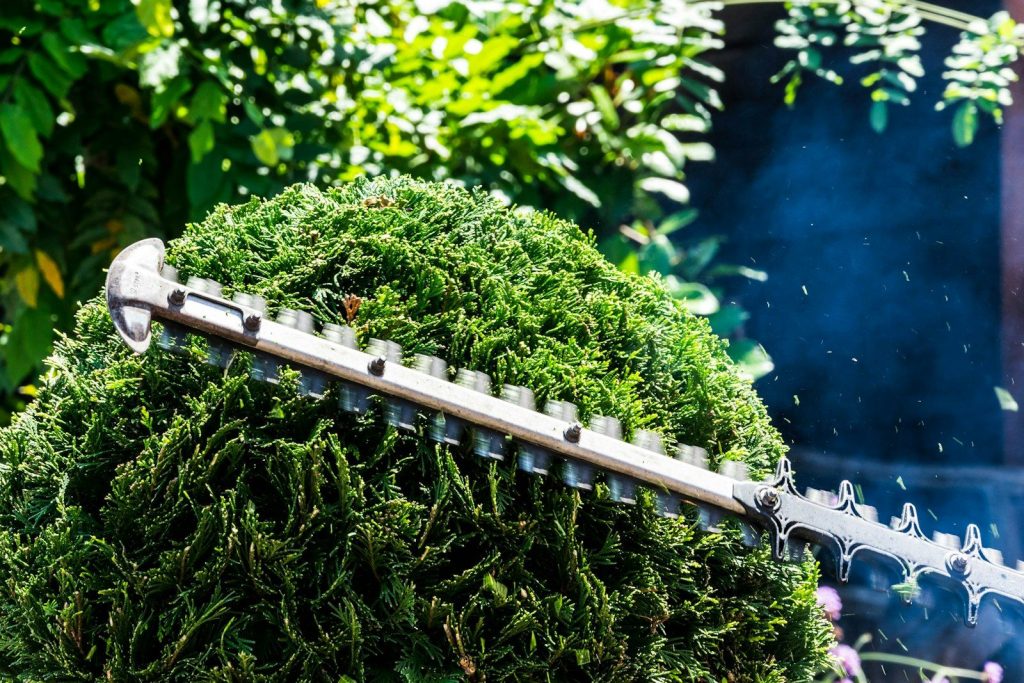
Fig. 1 — Levelling the top of a dense hedge.
No. 02
How we cut
Clean lines, even faces and nothing left behind.
We use sharp powered trimmers for long runs and hand shears for detail work, so cuts are clean rather than ragged. Tall hedges are reached with stable platforms rather than over-stretching from the ground, and string lines are used on formal hedges to keep tops perfectly level.
Before we leave, clippings are raked out of the hedge base, collected from sheets laid on beds and lawns, and taken away. Paths are blown clear and you get a quick walk-round of the finished work.
String lines for level formal tops
Dust sheets protect beds and lawns
Height reductions done in stages
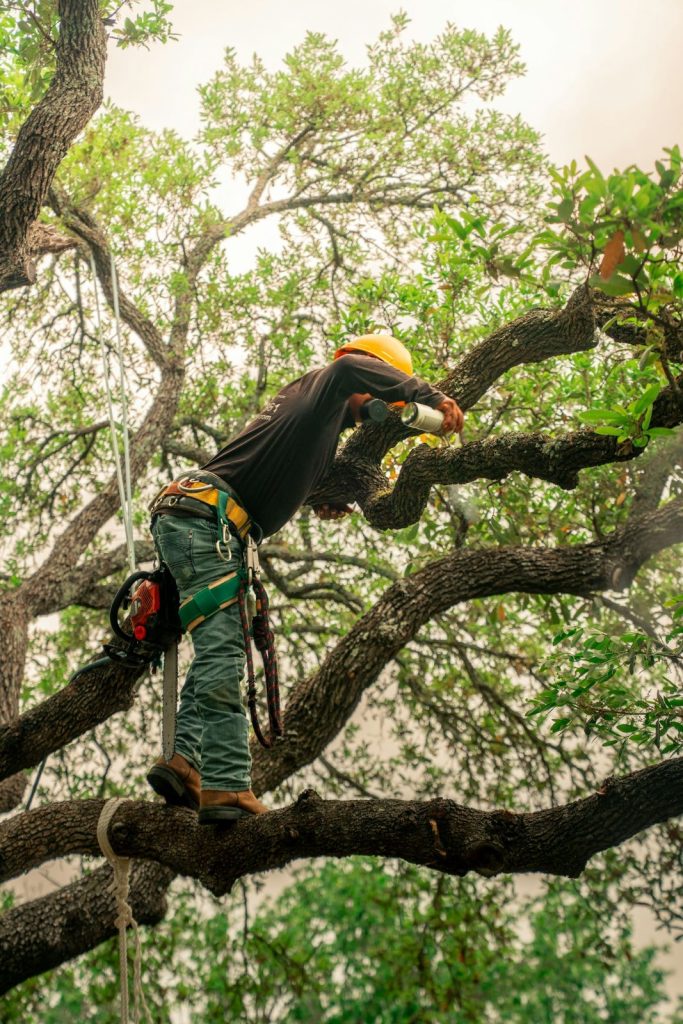
Fig. 2 — Crown thinning on a mature tree.
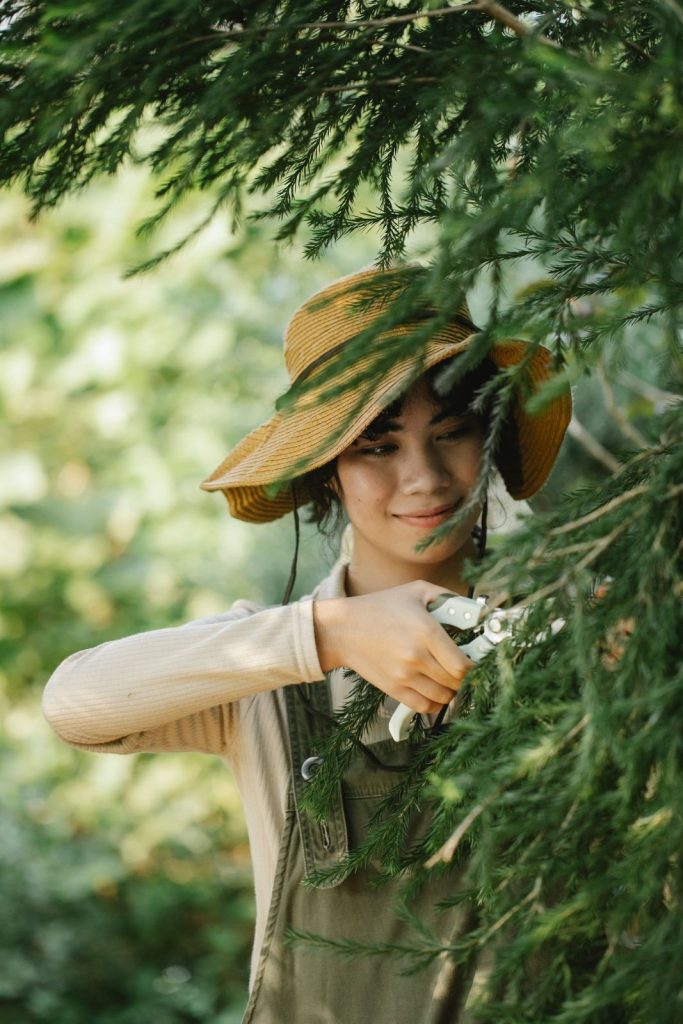
Fig. 3 — Pruning back to a healthy bud.
No. 03
Shrub & small tree pruning
Pruning that improves shape, light and long-term health.
Good pruning is selective. We remove dead, damaged and crossing branches first, then thin and shape to open up the plant, let light into the garden and reduce wind load — always cutting back to a healthy bud or branch collar so wounds close properly.
For trees, we carry out crown lifting, thinning and light reduction on small to medium specimens. Large or hazardous trees near buildings or power lines are referred to a specialist arborist, and we will tell you honestly when that is the right call.
Nesting birds and wildlife come first
Before cutting, we check hedges and shrubs for active nests. If we find one, we leave that section and return once the birds have fledged. It is a small delay that we think every garden owner would want.
Fast-growing hedges usually need cutting every six to eight weeks during strong growth, while slower formal hedges may need only two or three cuts a year. We will suggest a schedule for your hedge type.
Most flowering shrubs should be pruned soon after they finish flowering. Cutting at the wrong time can remove next season’s flower buds, so we check each plant before pruning.